Understanding Network Ping: How to Optimize Your Connection for Competitive Gaming
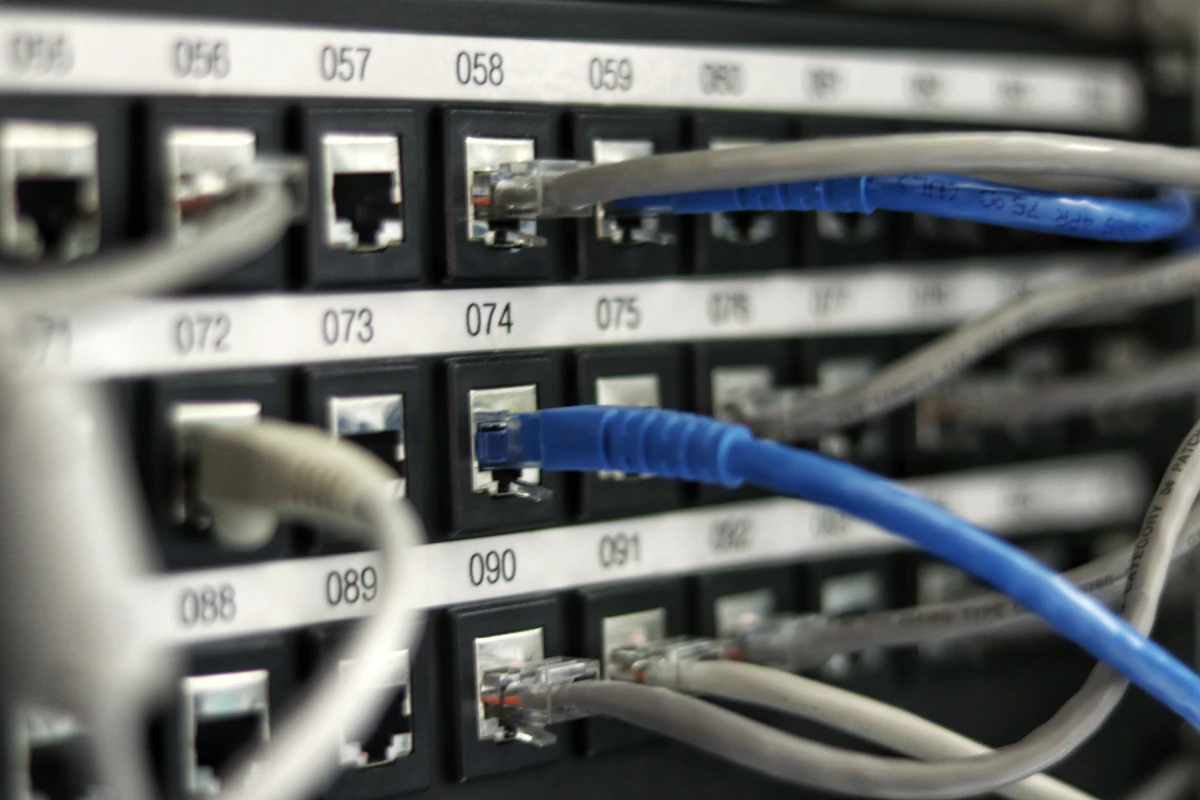
In the high-stakes world of online competitive gaming, hardware power isn't the only metric that dictates victory. You can own the fastest graphics card on the market, but if your internet data pipeline is struggling, you will find yourself completely outmatched. In modern multiplayer environments, data latency—commonly referred to as ping—is everything.
The Physics of Packet Loss and Routing Paths
Ping measures the time (in milliseconds) it takes for a packet of data to travel from your gaming device to the central match server and return. High ping or sudden packet loss results in "rubber-banding," where your character jumps unpredictably across the screen. This is rarely caused by your actual ISP bandwidth size, but rather by inefficient network routing paths provided by default servers.
"A stable, lower-latency connection will always defeat a faster raw download speed in real-time online simulations."
How Security Tools and Specialized Networks Help
To establish perfect connection stability, players are shifting toward optimized network solutions. Utilizing dedicated routing networks or securely encrypted gaming VPNs can force your data packets through direct, streamlined paths to the target servers. This bypasses congested commercial traffic lanes, dramatically lowering your ping and shielding your home connection from targeted network disruptions.


